
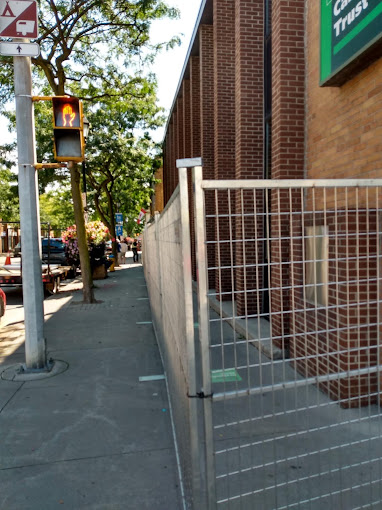
Construction site fencing is everywhere in Canada. Whether you’re driving past a condo project in Toronto, a retail development in Ottawa, or an infrastructure upgrade in Montreal, you’ll see temporary fencing barriers surrounding the work area.
But what exactly is construction site fencing? And more importantly, why is it so essential for your project?
If you’re new to construction management or planning your first renovation project, understanding the purpose of site fencing and the different types available can save you time, money, and legal headaches. We’ve spent over 10 years helping contractors, developers, and property managers across Ontario and Quebec choose the right fencing solutions for their projects.
In this guide, we’ll explain what construction site fencing is, why it matters, the different types available, and how to decide whether renting or buying makes more sense for your situation.
What Is Construction Site Fencing?
Construction site fencing is a temporary barrier system designed to enclose active construction or renovation sites. It typically consists of metal or composite panels connected together to create a perimeter that separates the work area from public spaces and unauthorized entry points.
These barriers are temporary by nature, meaning they’re installed for the duration of your project and then removed. They’re modular, so you can adjust the configuration as your project progresses. And they’re designed to be quick to set up, easy to maintain, and simple to take down.
Unlike permanent fencing, construction site fencing isn’t meant to last for decades. Instead, it solves short-term needs while meeting strict safety, legal, and regulatory requirements.
Why Construction Site Fencing Matters: Five Essential Reasons
1. Legal Compliance and Regulatory Requirements
In Canada, construction site fencing isn’t optional. It’s a legal requirement in most provinces and municipalities.
According to Canada’s National Building Code and provincial occupational health and safety regulations, active construction sites must be properly enclosed to protect the public. Failing to secure your site can result in:
- Municipal fines ranging from $500 to $10,000 or more
- Work stoppages and project delays
- Legal liability if someone is injured
- Loss of future permits and project approvals
When inspectors visit your site, one of the first things they check is whether proper fencing is in place. Having appropriate construction site fencing signals that you take safety and compliance seriously.
2. Worker and Public Safety
Construction sites are inherently dangerous places. You’ve got heavy equipment, open excavations, electrical hazards, falling objects, and countless other risks.
A well-designed temporary construction fence accomplishes several safety goals:
- Keeps unauthorized people (including children and curious pedestrians) out of hazardous areas
- Prevents accidental injuries to bystanders
- Contains debris and materials within the work zone
- Provides clear visual boundaries that workers and the public respect
In urban areas like Toronto and Montreal, where construction sites are often surrounded by residential areas and busy streets, proper site fencing reduces the risk of serious injuries dramatically.
3. Security and Theft Prevention
Construction sites are targets for theft. Thieves target valuable equipment like generators, compressors, copper wiring, tools, and building materials. A proper construction fence creates a physical barrier that makes theft more difficult and expensive.
Beyond basic fencing, you can enhance security by adding:
- Lockable gates to control access points
- Security signage and warning notices
- Surveillance cameras mounted on fence sections
- Lighting positioned to illuminate the perimeter
For high-value projects in Ottawa and surrounding areas, security-focused fencing can reduce theft incidents by over 80 percent compared to unsecured sites.
4. Site Organization and Workflow
Temporary construction fencing helps you organize the work area efficiently. You can use internal fencing to separate different zones:
- Material storage areas away from active work zones
- Equipment parking and staging areas
- Worker break areas and facilities
- Clear pathways for deliveries and foot traffic
This organized approach reduces accidents, improves productivity, and makes it easier for multiple trades to work on the same site without interfering with each other.
5. Professional Image and Community Relations
Your temporary construction fence is the first impression the public gets of your company. Well-maintained, clean fencing sends a message of professionalism and care. It shows neighbors and local officials that you’re running an organized, respectful job site.
Poor or incomplete fencing communicates the opposite and can damage relationships with the community. In neighborhoods where you want to win future projects, site appearance matters.
Types of Construction Site Fencing Available
Not all construction site fencing is the same. Different projects require different barrier styles. Here are the main types and what they’re best used for.
Hot Dipped Galvanized Fence
Hot-dipped galvanized fencing is the standard choice for most construction projects. The steel is treated with a protective zinc coating that resists rust and corrosion, making it durable in Canadian weather conditions.
Typical specifications: 6 feet tall, 9.5 feet wide panels
Best for: Long-term construction rentals, outdoor exposure, projects where durability and cost-effectiveness matter.
Advantages: Affordable, tough, proven in the field, available immediately, can be rented or purchased.
Disadvantages: Industrial appearance, less aesthetically pleasing than other options, reflective surface in certain lighting.
PVC-Coated Fence
PVC-coated fencing is the most popular choice for projects where appearance matters. The panels are galvanized steel with a colored PVC coating on top, available in black, tan, green, and other colors.
Typical specifications: 6 feet tall and 8 feet tall options, 9.5 feet wide panels, available with or without man gates for pedestrian access.
Best for: Urban construction sites, properties near retail or residential areas, renovation projects where the site will be visible to customers or neighbors.
Advantages: Professional appearance, multiple color options, improves community relations, and can be branded with logos or signage.
Disadvantages: Higher cost than galvanized, PVC coating can wear over time if not maintained.
Event Temporary Fence
Event fencing is smaller and more flexible than construction fencing. These panels are typically 4 feet tall and 7.5 feet wide, making them ideal for temporary crowd control and event management.
Best for: Outdoor festivals, concerts, community events, temporary crowd control, sports events.
Advantages: Lower profile looks less industrial, quick to set up and take down, lightweight, and portable.
Disadvantages: Lower height, not suitable for protecting active construction zones, requires more panels for the same perimeter length.
Safety Protection Fence
Safety protection fencing is specialized for high-rise construction and edge protection. These panels meet specific regulatory requirements for protecting workers and the public from falling objects and drop hazards.
Best for: High-rise construction, roofing work, balcony installations, any project with elevated work and fall hazards.
Advantages: Meets all building codes for edge protection, is tested for impact, and is engineered for safety-critical applications.
Custom Temporary Fencing
For specialized needs, Lennex and other providers can manufacture custom fencing solutions. This might include modified heights, special gate configurations, integrated signage, or branded materials.
Best for: Unique project requirements, branded or specialized applications, sites with unusual layouts or constraints.
Temporary Construction Fence vs. Permanent Fencing
The key difference is longevity and flexibility. Permanent fencing is designed to last 20, 30, or even 50+ years. It’s rooted in concrete, built to withstand weather and wear, and typically becomes part of the property’s infrastructure.
Temporary construction fencing is designed to work for weeks, months, or a few years at most. It’s not rooted permanently; it’s modular, so you can adjust it, and it’s meant to be removed and either reused or recycled.
For construction projects, renovation work, and short-term needs, temporary fencing is almost always the better choice because it’s faster to install, more affordable, and can be adapted as your needs change.
Renting vs. Buying Construction Site Fencing
One of the most important decisions you’ll make is whether to rent or purchase temporary fencing. This choice depends on several factors specific to your project.
Rent Construction Site Fencing When:
- Your project is temporary (weeks to a few months)
- You want to avoid long-term storage and maintenance
- Your budget is limited or you prefer predictable monthly costs
- You need flexibility to adjust the barrier size or configuration as the project evolves
- You lack storage space for materials when the project is complete
- You want professional installation and removal included
Rental advantage: Lowest upfront cost, maintenance handled by the provider, flexibility, and professional installation available.
Buy Construction Site Fencing When:
- You run ongoing construction or need fencing for multiple projects annually
- You have secure storage space to keep fencing between projects
- You want to amortize costs over many uses
- You need immediate access without waiting for delivery
- You’re a large contractor with multiple active sites
Purchase advantage: Lower per-use cost over time, complete control over materials, no rental agreements or minimum commitments.
Most small to mid-size contractors rent fencing for individual projects while larger operations purchase and maintain their own inventory.
Real Examples: How Construction Fencing Works in Practice
Downtown Toronto Residential Development
A 20-story condo project in downtown Toronto required construction site fencing around a tight urban lot surrounded by offices and retail shops. The developer chose PVC-coated fencing with a black finish to match the neighborhood aesthetic.
Renting made sense because the project lasted three years. Rather than purchasing and storing panels, they rented a complete system that was adjusted as construction progressed from excavation through framing to final finishing work. The rental agreement included regular maintenance and panel replacement as needed.
Result: Professional appearance maintained throughout the project, zero security incidents, positive community feedback.
Ottawa Retail Renovation
A shopping center owner needed to isolate a section for renovation while keeping the rest of the center open. Temporary construction fencing divided the active retail zone from the work area, protecting customers and merchandise.
The retailer used event-style fencing (4-foot height) combined with privacy screens to reduce visual disruption while customers shopped nearby. This softer appearance was critical because it didn’t make the center feel closed or dangerous.
Result: Customers felt safe, construction proceeded without complaints, and retail traffic only declined slightly during the renovation.
Montreal Infrastructure Project
A six-month infrastructure upgrade on a major Montreal street required full perimeter fencing to manage traffic and protect the public. The contractor used galvanized fencing for durability and added safety signage at regular intervals.
Security was important because equipment theft had been an issue on similar city projects. They added lockable gates, surveillance camera mounts, and lighting at all access points.
Result: Zero theft incidents, public safety redirected around the work zone, project completed on schedule.
Choosing the Right Construction Site Fencing for Your Project
Selecting the right fencing solution depends on several factors:
- Project duration: Short-term work suggests rental; long-term or ongoing needs suggest purchase.
- Location and visibility: Urban and visible sites benefit from PVC-coated options; remote sites can use basic galvanized.
- Safety requirements: High-rise work requires safety-rated fencing; ground-level work can use standard options.
- Budget: Rental spreads costs over several months; purchase requires a significant upfront investment.
- Access and delivery: Renting often includes delivery and installation; buying requires your own logistics.
- Community relations: Neighborhood-heavy projects benefit from professional-looking PVC options.
The best approach is to consult with a fencing provider who understands your specific project needs. They can recommend the optimal type, size, and configuration for your situation.
Get the Right Construction Site Fencing for Your Next Project
At Lennex, we’ve spent over a decade helping contractors, developers, and property managers across Ontario and Quebec secure their construction sites with the right temporary fencing solutions.
Whether you need construction site fencing, commercial temporary fencing, event barriers, or custom solutions, we offer:
- Hot-dipped galvanized, PVC-coated, and specialty fence panels
- Same-day delivery and installation in select GTA and Montreal areas
- Rental or purchase options with flexible terms
- Professional consultation to determine your exact needs
- Coverage across 50+ cities in Ontario and Quebec
We’ve served construction sites in Toronto, Ottawa, Montreal, and throughout the Greater Toronto Area. We understand local regulations, climate challenges, and the specific needs of your area.
Ready to secure your construction site? Contact our team today for a free consultation and custom quote. Or check our service areas to confirm coverage in your location.
Let’s build smarter and safer together.