
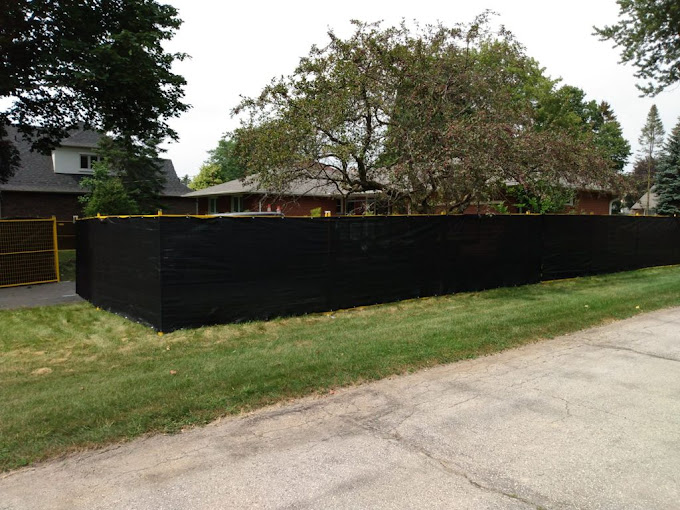
How Temporary Fencing Reduces Construction Noise
Construction noise is becoming a real headache for cities across Canada. If you’ve managed a project in Toronto, Montreal, Ottawa, or the GTA, you probably know how quickly the complaints start rolling in. A typical construction site generates 80 to 90 decibels of sound. That’s as loud as heavy traffic or a leaf blower running nonstop. And it doesn’t stop after 5 PM.
The problem? Noise complaints can shut down your project, trigger municipal investigations, and even land you with fines between $500 and $10,000. Not to mention the damage to your reputation and relationships with local communities.
But there’s a practical solution that works: temporary fencing barriers. In fact, the right barrier setup can reduce noise levels by 10 to 15 decibels or more. We’ve helped hundreds of contractors across Ontario and Quebec manage construction noise effectively using strategic temporary fencing solutions.
Here’s what you need to know about using temporary fencing to control construction noise on your site.
Why Construction Noise Is Such a Big Problem
Toronto, Montreal, and other major cities have seen noise complaints jump dramatically over the past five years. According to Toronto’s 311 noise complaint data, construction-related complaints have increased consistently. That’s not just frustrating for residents. It’s a serious problem for project managers.
Here’s why construction noise matters beyond just being annoying:
- Nearby residents lose sleep. Hearing damage from prolonged exposure is real, and stressed neighbors tend to call city inspectors.
- Local businesses suffer. Customers avoid shopping near loud construction sites. Lost foot traffic means lost sales for nearby stores.
- Your project gets delayed. Noise complaints can trigger site inspections and work stoppages that throw your timeline off track.
- Your budget takes a hit. Municipal fines for noise violations add up fast. But even worse, paying for investigation time and remediation measures is expensive.
- Your company’s reputation suffers. One bad project in a neighborhood and you become known as the noisy contractor. Future permits and contracts become harder to get.
Many municipalities now require noise mitigation plans before approving development permits. The silver lining? Sites that show proactive noise control often get exemptions to extend working hours. That can actually help your schedule rather than hurt it.
How Sound Works (And Why Barriers Help)
Here’s the physics of it: sound travels in waves, and it takes the path of least resistance. When sound hits a solid barrier, one of two things happens. Either the sound bounces back toward the source, or it gets absorbed into the material. Both outcomes mean less sound reaching the other side of the fence.
The keyword is continuous. Even a 5-foot gap in a 200-foot barrier creates a “sound shortcut” where noise escapes around your carefully planned protection. That’s why full perimeter coverage on the sides facing sensitive areas like homes, hospitals, and schools is essential.
According to Health Canada’s noise standards and guidelines, continuous exposure to noise above 85 decibels can cause permanent hearing damage. Most construction sites operate between 80 and 90 decibels. A good temporary fence barrier can drop that to 70 to 75 decibels on the other side, which is a significant difference.
Types of Temporary Fencing for Noise Reduction
Not all temporary fencing works equally well for noise control. The effectiveness depends on the material density, height, and how completely you cover the area.
Solid Temporary Fence Panels (Best Choice)
Solid panels are the gold standard for noise mitigation. Unlike mesh or chain-link fencing that lets sound pass right through, solid panels block sound effectively.
Why? A solid panel has no gaps for sound to slip through. The material itself absorbs energy from sound waves. Our temporary fence rentals include solid panels in 6-foot and 8-foot heights. For sites near multi-story residential buildings, the 8-foot option is significantly more effective for upper-floor units.
Best for: High-impact noise zones like residential neighborhoods, sites near hospitals or schools, and projects that need immediate noise reduction.
PVC-Coated Fencing with Privacy Screens
If you need to balance noise control with aesthetics, PVC-coated fencing is a solid middle ground. The PVC coating adds sound-dampening properties compared to plain galvanized steel. Add a privacy screen layer on top and you get even more noise reduction. That’s 5 to 10 additional decibels in many cases.
Privacy screens serve double duty. They block line-of-sight into your site while also absorbing sound energy. One project manager in downtown Toronto told us she initially installed standard fencing. After getting three noise complaints in the first month, she added privacy screens to the residential-facing side. Result? Zero complaints for the remaining 18 months of the project.
Best for: Urban sites where visual appearance matters, mixed-use developments, and projects needing good noise control without maximum barrier height.
Hot Dipped Galvanized Fence (Basic Option)
A standard galvanized fence provides basic sound blocking when you install it as a complete perimeter barrier. The gaps in mesh-style panels mean less noise reduction than solid options. But it’s affordable and works when you don’t need maximum sound dampening.
Best for: Budget-conscious projects where noise is less critical, sites with adequate distance from residential areas, and long-term installations.
Installation Tips for Maximum Noise Control
Picking the right fencing type is just the first step. How you install it makes a huge difference in how well it actually reduces noise.
1. Cover 100% of the Perimeter Facing Residents
Partial coverage creates sound shortcuts. Your barrier might block 90% of the perimeter, but that 10% gap lets noise escape around your protection. You need continuous coverage facing all sensitive areas like homes, hospitals, and schools.
2. Eliminate Gaps at Ground Level
Sound travels along ground surfaces just as effectively as through the air. Make sure your barrier extends down to ground level or within 2-3 inches of it. Use ground-stacking blocks to eliminate gaps. Even a small space under the fence can significantly reduce effectiveness.
3. Go Taller When Possible
An 8-foot barrier is noticeably more effective than a 6-foot barrier, especially for sites near multi-story buildings. The extra height reduces sound reaching upper floors.
4. Prioritize Your Noisiest Equipment
Don’t have a budget for full perimeter coverage? That’s okay. Focus barriers directly behind your loudest equipment like pile drivers, generators, concrete saws, and compressors. A focused barrier around your noisiest work can reduce peak noise levels dramatically.
5. Combine Multiple Barrier Types
Mix solid panels, privacy screens, and absorptive materials strategically. For example: solid panels plus privacy screens on the residential-facing side, with PVC-coated panels on other sides. This approach gives you maximum noise reduction where it matters most.
Real Projects That Worked
Downtown Toronto Condo Construction
A 35-story residential tower in King West faced a challenge: the neighboring historic building was a luxury hotel. The tower required deep excavation using pile drivers and continuous dewatering pumps running 6 AM to 6 PM every day.
Noise started at 92 decibels at the hotel property line. We implemented a full perimeter barrier with 6-foot solid fence panels on all sides, added privacy screens on the hotel-facing side, and placed 8-foot solid panels directly behind the pile drivers.
Result: Noise dropped to 78 decibels at the property line. The hotel received zero noise complaints. The project earned an early exemption permit allowing 7 AM start times on weekdays, actually helping the schedule.
Medical Clinic Development in Mississauga
A retail development site was directly adjacent to a medical clinic and residential neighborhood. The challenge was keeping the site quiet during clinic business hours while managing construction equipment noise.
We installed residential temporary security fencing on the clinic-facing side, added privacy screens across both the clinic and residential sides, and positioned equipment to maximize existing natural barriers.
The clinic staff reported they barely noticed the construction. The project earned recognition from the local business association as a “Good Corporate Citizen.” No complaints filed.
Waterfront Event Site in Montreal
A multi-day festival near residential waterfront condos needed setup and teardown during early morning and late evening hours. That timing directly conflicted with resident sleep schedules.
We deployed temporary event fencing with acoustic privacy screens on all residential-facing sections. Strategic placement around the main stage and equipment areas further contained sound.
Result: Only 2 noise complaints across the entire event. Typically, similar festivals get 15 to 20 complaints. The event organizer hired us for three subsequent annual events.
Getting Your Noise Mitigation Right
Effective noise control starts with understanding that sound travels in straight lines and takes the easiest path. By installing continuous barriers, especially solid panels with privacy screens, you can reduce noise levels by 10 to 15 decibels or more.
The best approach combines these elements:
- Complete perimeter barriers on sides facing homes and sensitive areas
- Focused barriers around your loudest equipment
- Regular site monitoring and community communication
- Quick response to any noise complaints
Sites that implement comprehensive noise barriers consistently experience:
- Fewer or zero noise complaints
- Faster project timelines (no complaint investigations or work stoppages)
- Reduced municipal fines and penalties
- Better community relationships and easier permit approvals on future projects
- Improved worker morale and safety on-site
Let’s Solve Your Construction Noise Problem
At Lennex, we’ve spent over 10 years helping contractors and developers across Ontario and Quebec manage noise effectively. We offer solid fence panels, privacy screens, PVC-coated options, and custom barrier configurations tailored to your specific site needs.
We can typically deliver and install barriers the same day or the next day in the GTA and Montreal area. Our team conducts free site assessments to recommend the best noise mitigation strategy for your project.
Whether you need commercial temporary fencing, construction site fencing, or a complete noise barrier solution, we’ve got you covered.
Check out our service areas to see if we cover your location. Ready to control noise on your next project? Contact our team for a free consultation and quote.
Let’s build smarter and quieter together.